





Undergraduate Course Descriptions
You will find descriptions for all courses in Sport and Exercise Sciences shown below. To determine which courses you are required to complete and which are recommended for your major, see your major's curriculum page. All Sport and Exercise Science courses carry the prefix SES.
| 100 Level | 200 Level | 300 Level | 400 Level |
110 Introduction to Diving Science, Technology and Management (2)
Provides an overview of recreational, scientific, public safety, commercial, military diving, and career opportunities within each area.
112 CPR/AED for the Professional Rescuer (1)
National Safety Council certification examinations: Professional Rescuer CPR (Includes AED/O2 Admin) and Bloodborne and Airborne Pathogens Lecture and lab must be taken concurrently.
112L CPR/AED for the Professional Rescuer Laboratory (1)
This Laboratory course applies the cognitive and affective components of the SES 112 lecture in the practical experiences needed to prepare the student to make appropriate decisions about the care needed in case of emergency. Provides opportunity to acquire skills necessary to act as a crucial link in the emergency medical services (EMS) system. National Safety Council certifications: Professional Rescuer CPR (Includes AED/O2 Admin) and Bloodborne and Airborne Pathogens.
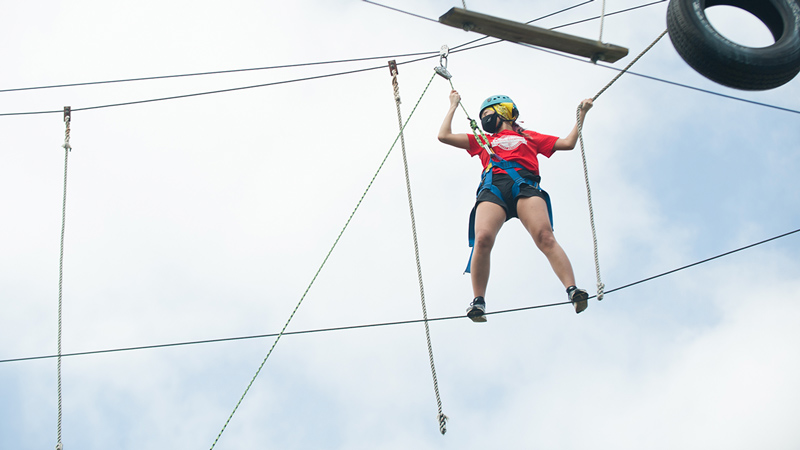
150 Introduction to Outdoor Pursuits (3)
This course serves as a basic introduction to the field of leisure and recreation. It includes current principles, theories, and practical applications relevant to contemporary outdoor recreation and leisure pursuits. The course includes principles, current theories and practical applications for the leisure service provider.
170 Introduction to Wellness (3)
An introductory course open to all students interested in fitness and wellness and how it relates to quality of life. Students are provided with a basic knowledge of diet, exercise, stress management, health, and other areas of total wellness and their impact on maintaining healthy lifestyles. Opportunities for computer analysis and hands-on experience will be provided. (SES 270 is designed for majors in SES.)
181 A. T. Pre-clinical Skills I (1)
Pre-clinical practicum for athletic training majors. Introduction to basic clinical skills used in the professional activities of the athletic trainer. Basic fieldwork in the athletic training facility is included. SES 181 A1 01 and SES 281 A1 01 are both required as part of the criteria for clinical program selection.
199 Special Topics (1-3)
Topics may vary each semester as determined by the SES faculty, based on subjects of current interest. Offered no more than twice for the same topic.
205 Managerial Issues in Golf Industry (3)
210 Foundations of Sport and Exercise Sciences (3)
Historical foundations of physical education, sport, and exercise. Introduction to the fields of Exercise Science, Physical Education, Sport Management, Leisure and Recreation Management and Athletic Training. Participation in a variety of sport experiences. A focus of the class is to examine the common elements that unite the fields of Sport and Exercise Sciences.
211 Lifeguard Training (2)
Personal safety, self-rescue, and rescue of others in, on and around the water. Provides minimum skills necessary for qualification as a non-surf lifeguard. American Red Cross certification examination: Lifeguard Training. Prerequisite: SES 112/112L or 212/212L, or proof of equivalent current certification in First Aid, CPR/AED prior to course completion.
212 Emergency Response ( 2)
Course content and practical experiences prepare the student to make appropriate decisions about the care needed in case of emergency. Provides opportunity to acquire skills necessary to act as a crucial link in the emergency medical services (EMS) system. National Safety Council certifications: Professional Rescuer CPR (Includes AED/O2 Admin); Bloodborne and Airborne Pathogens and First Responder. Lecture and Lab must be taken concurrently.
212L Emergency Response and Lab (1)
This Laboratory course applies the cognitive and affective components of the SES 212 lecture in the practical experiences needed to prepare the student to make appropriate decisions about the care needed in case of emergency. Provides opportunity to acquire skills necessary to act as a crucial link in the emergency medical services (EMS) system. National Safety Council certifications: Professional Rescuer CPR (Includes AED/O2 Admin); Bloodborne and Airborne Pathogens and First Responder.
214 Methods of Instruction in Swimming and Water Safety (3)
Methods of teaching swimming and water safety; American Red Cross Water Safety Instructor certification course.
220 Care and Prevention of Musculoskeletal Injuries (3)
This course is designed to introduce the student to the study of injuries as well as the conditions and illnesses of the physically active. The student will examine the anatomy and physiology associated with injury as well as the etiologic factors related to injury. The student will also be introduced to the concepts related to the field of athletic training as a profession and will address the view of other professionals involved with injury in the athletic arena. The course is intended to provide the preliminary information needed to advance the field of athletic training and establish a foundation of knowledge towards challenging the BOC certification examination. Prerequisite: BIO 220/230.
220L Care and Prevention of Musculoskeletal Injuries Lab (1)
This laboratory course applies the cognitive and affective components of the SES 220 lecture in the practice and proficiency of the psychomotor skills associated with basic injury assessment and athletic injury assessment and athletic tapping techniques. Two hours weekly. Prerequisite: Concurrent enrollment in SES 220.
226 Seamanship (3)
Introduction to small boat operation for support of diving activities. Topics include basic boat operation, boat maintenance, boating safety, safety equipment requirements, rules of the road, marine navigation, marine radio operation, captain and crew responsibilities, requirements for U.S. Coast Guard licensing, and practical exercise. Special course fees apply.
230 Recreational Diving Theory (3)
Provides certified SCUBA divers with knowledge of diving theory. Examines physics, physiology of SCUBA diving, diver stress, stress management and prevention. Special course fees apply. Prerequisites: SES 110; ISR 155/155L or equivalent; ISR 255/255L or equivalent.
240 Dive Accident Management & Rescue (2)
Trains divers and dive leaders in procedures and techniques for the emergency management of injuries encountered in diving and the aquatic environment. Examines primary, secondary, and illness assessment, field neurological tests, first aid for pressure related accidents with emphasis on decompression sickness and arterial gas embolism, use of oxygen and oxygen equipment, care of marine life injuries, accident-related diving equipment problems, diving accident analysis, statistical review of diving injuries and fatalities, and the role of divers and dive leaders in accident prevention. Prerequisite: SES 230 and documentation of required program criteria. Co-requisites: SES 211 or equivalent; SES 212/212L or equivalent.
240L Dive Accident Management & Rescue Laboratory (1)
Laboratory exercises in dealing with watermanship and self-rescue techniques, panicked divers, missing divers, in-water artificial respiration, pressure-related accidents, and diving accident scenarios. Students successfully completing the course may be eligible for certification as Advanced Rescue Diver and DAN Oxygen Provider. Special course and certification fees apply. Concurrent enrollment in SES 240 required. Prerequisite: SES 230. Co-requisites: SES 211 or equivalent; SES 212/212L or equivalent.
250 Sport and Recreational Management (3)
An introduction to the fields of sport and recreational management; overview of theories of management and administration to sports and recreation.
259/359/459 Independent Study (3)
Original research of special topics pursued independently or in small groups. Available in Athletic Training (AT), Exercise Science (EX), SM-Diving Industry (DI), SM-Golf Industry (GI), Physical Education (PE), and Sport Management (SM). Prior approval of Department Chair and Dean required.
260 Leisure Planning & Programming (3)
Provides a basic understanding of the knowledge, skills, and values required for successful planning & programming of leisure services for all populations. Presents the steps necessary to establish, market, and manage the human and financial resources in leisure activities. Includes observations of recreational programs, including those in aging communities, tourism, etc.
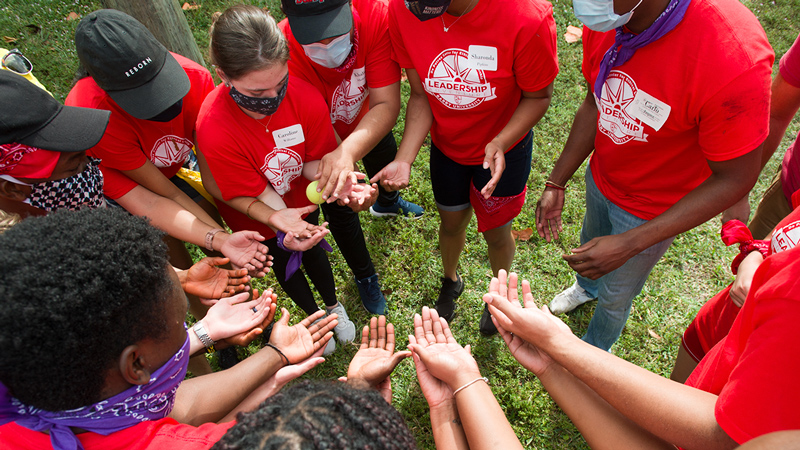
262 Recreational Leadership (3)
This course is designed to introduce students to program and leadership skills used in leisure and recreational enterprises. Emphasis will be on leadership techniques, group dynamics, communication skills, facilitation styles, problem solving and decision making techniques. A study of group dynamics and the theories and processes of leadership will be explored.
270 Concepts of Fitness and Wellness (3)
This course is required for students majoring or minoring in one of the SES programs. Students will analyze the impact of diet, exercise, stress management, health, and other areas of total wellness on the quality of life. Students will examine their personal health risk, complete a personal fitness and nutritional assessment, as well as pursue an individual exercise prescription program. Hands-on experiences and exposure to the use of computer analysis in fitness assessment are included.
281 A.T. Pre-Clinical Skills II (1)
Pre-clinical practicum for athletic training majors. Introduction to basic clinical skills used in the professional activities of the athletic trainer. Basic fieldwork in the athletic training facility are included. SES 181 A1 01 and SES 281 A1 01 are both required as part of the criteria for clinical program selection. Prerequisite: prior to successful completion of or concurrent enrollment in SES 181.
292 Commercial Recreation (3)
This course is designed to introduce students to the fundamentals and principles of commercial recreation, including the delivery of goods, services, facilities, entrepreneurship, and current trends in the field.
300 Special Topics (3)
Designed to provide experiences in a contemporary topic, problem, and/or research area. Offered in Athletic Training (AT), Exercise Science (EX), Sport Management-Diving Industry (MD), Sport Management-Golf Industry (MG), Physical Education (PE), and Sport Management (SM). Specific topics will be offered no more than twice.
308 Underwater Photography (3)
Provides the student with working knowledge and basic skills in digital underwater photography. Topics include camera selection, camera operation, natural light and artificial light photography, composition, normal and wide-angle lens use, and visual presentation. Special course fees apply. Prerequisites: PHO 203/206, ISR 255/255L or equivalent and Instructor approval prior to enrollment as special program criteria for student involvement must be met.
311 Tropical Diving Environments (3)
Examines selected environments commonly associated with recreational diving in Florida and the Tropics. Includes intensive field trip and theory reviewing site selection. Topics selected for individual diver projects chosen for integration and environment. Special course fees apply. Prerequisites: ISR 255/255L or equivalent and instructor approval prior to enrollment as special criteria for student involvement must be met.
314 SCUBA Equipment Repair & Maintenance (3)
An overview of SCUBA diving equipment design, manufacturing, function, maintenance, and repair, including disassembly, inspection, and assembly of selected SCUBA regulators, valves, buoyancy control devices and inflation mechanisms, cylinder inspection, principles of hydrostatic testing, regulator performance testing, principles of dive computer operation, field maintenance and repair of selected diving equipment, and operation of professional repair facilities. Special course and certification fees may apply.
316 Therapeutic Modalities (3)
A study of sports therapy physical agents used in athletic training techniques such as cryotherapy, hydrotherapy, electrotherapy, and mechanical therapy. 3 hours lecture and 2 hours laboratory weekly. Laboratory to be taken concurrently with lecture. Prerequisites: SES 220, 220L.
316L Therapeutic Modalities Laboratory (1)
A laboratory course for athletic training majors. The practice of the techniques of application of therapeutic modalities utilized by certified athletic trainers in their management of injuries to athletes. Prerequisite: SES 220, SES 220L, Concurrent enrollment SES 316. Two contact hours. One credit.
318 Therapeutic Exercise (3)
A study of clinical sports therapy techniques used in the rehabilitation and reconditioning of athletic injuries. 3 hours lecture and 2 hours laboratory weekly. Prerequisites: SES 220, 220L.
318L Therapeutic Exercise Laboratory (1)
A laboratory course for athletic training majors. The practice of the techniques of application of therapeutic exercise techniques utilized by certified athletic trainers in their management of injuries to athletes. Prerequisite: SES 220, SES 220L, Concurrent enrollment SES 318. Two contact hours. One credit.
320 Kinesiology (3)
The study of anatomical and biomechanical principles of human performance and movement science. 3 hours lecture, 2 hours laboratory weekly. Laboratory to be taken concurrently with lecture. Prerequisite: BIO 220/230.
320L Kinesiology Lab (1)
The study and application of anatomical and biomechanical principles of human performance and movement science. Laboratory to be taken concurrently with lecture.
321 Advanced Upper Extremity Assessment of Musculoskeletal Injuries (3)
This course is designed to introduce the athletic training student to techniques in assessment and evaluating athletic related injuries in the upper extremity, head facial, ear, eye regions. The student will be introduced to the processes associated with evaluating structural, bio-mechanical, neural, and etiological factors related to athletic injury. Prerequisites SES 220/220L (as required by the program director)
321L Advanced Upper Extremity Assessment of Musculoskeletal Injuries Laboratory (1)
A laboratory course for athletic training majors. This course is designed to introduce the athletic training student to techniques in assessment and evaluating athletic related injuries in the upper extremity, head & facial, ear, eye region. Prerequisite: SES 220, SES 220L, Concurrent enrollment SES 321. Two contact hours. One credit.
322 Advanced Lower Extremity Assessments of Musculoskeletal Injuries (3)
This course is designed to introduce the athletic training student to techniques in assessment for evaluating athletic related injuries to the lumbar spine, hip, knee, and ankle region. The student will be introduced to the processes associated with evaluating structural, bio-mechanical, neural, and etiological factors related to athletic injury. Prerequisites SES 220/220L.
322L Advanced Lower Extremity Assessments of Musculoskeletal Injuries Laboratory (1)
A laboratory course for athletic training majors. The course is designed to introduce the athletic training student to techniques in assessment and evaluating athletic related injuries to the lumbar spine, hip, knee and ankle region. Prerequisite: SES 220, SES 220L, Concurrent enrollment SES 322. Two contact hours. One credit.
325 Officiating Team and Individual Sports (2)
A study of officiating techniques, rules and procedures in selected team and individual sports.
326 Principles of Motor Learning (3)
Introduces the student to psychomotor concepts and how these principles are applied to the learning of gross and fine motor skills in order to produce more efficient movement. Emphasis is placed on motor learning theories, research, and the learning environment.
328 Theory of Coaching (3)
Techniques and principles related to coaching and training athletes in various team and individual sports; use of sound instructional strategies, athletic management, and organizational techniques applied to coaching. This course partially fulfills the requirements for the Coaching endorsement. Must be taken concurrently with one section of SES 328L.
330 Nutrition for Physical Performance (3)
The study of nutrition, diet analysis, biochemical processes in energy metabolism, nutrition and health problems, and nutrition as it relates to physical performance.
335 Psycho-Social Aspects of Sport (3)
An analysis of the social and psychological dimensions of sport. Emphasis is placed on social and psychological theories and research related to physical activity, physical education, corporate fitness, and athletic programs. Prerequisites: PSY 281 or college-level course work in Psychology.
340 Adapted Physical Activity, Recreation and Sport (3)
An introductory course designed for pre-professionals to develop competencies necessary to deliver service in accordance with federal laws. Motor, sensory, and cognitive disabilities will be discussed. Emphasis is placed on individualized educational programming and adapting regular physical activity, recreation, and sport programs.
346 Wilderness Expeditionary Training (3)
This course involves travel to and within selected national parks or wilderness areas, offering an applied approach to preparing for and leading wilderness expeditions. The purpose of this course is to introduce students to the fundamentals of wilderness travel with an emphasis on preparation, safety, service and leadership. This course is designed to meet the needs of those interested in outdoor adventure activity programming.
350 Tests and Measurement in HPER andSport (3)
Introduction to measurement and evaluation techniques used in school and non-school settings. Includes simplified statistics, test construction, skill evaluation, and measurement of physical fitness and physical performance. Prerequisite: MAT 152.
351 Diving Leadership Practicum (2)
Prepares students for industry opportunities as a dive master or dive guide and diving instructor. Includes dive planning, dive management and control, diver problem-solving, diver rescue (review), teaching confined water skills, teaching open water skills, tutoring entry level diving students, role of dive masters in confined water and open water training and non-training activities, diver buoyancy control, dive site survey, analysis, and mapping, and responsibilities and techniques of dive guides. Reviews selected topics from SES 230 and 240. Practical experience is acquired by serving as an instructor aide in ISR 155L and/or ISR 255L (confined-water and open-water sessions) as well as tutoring entry-level students. Additional open water training sessions will be scheduled. Students successfully completing this course may be eligible for certification as Dive Master. Special course and certification fees apply. Prerequisite: SES 240/240L, SES 311 and proof of current certifications in SES 211, SES 212/212L or equivalents.
351L Diving Leadership Practicum Laboratory (1)
Prepares students for career opportunities as a dive master or dive guide and diving instructor. Includes practical experiences with dive planning, dive management and control. diver problem-solving, diver rescue (review), teaching confined water skills, teaching open-water skills, tutoring entry level students, role of divemasters in confined and open water training and non-training activities, diver buoyancy control, dive site survey, analysis, and mapping, and responsibilities and techniques of dive guides. Practical experience is also acquired by serving as an instructor aide in ISR 155L and/or 255L (confined and open water training sessions) as well as tutoring entry-level students. Additional open water training sessions will be scheduled. Must be taken concurrently with SES 351. Students successfully completing this course may be eligible for certification as Dive Master with an international training agency. Pre-requisites: SES 240/240L, SES 311 and proof of current certifications in SES 211, SES 212/212L or equivalents.
360 Essentials of Exercise Physiology (3)
This is an entry-level course in exercise physiology, which is the study of how the body (subcell, cell, tissue, organ, system) responds in function and structure to 1) acute exercise stress, and 2) chronic physical activity. Aspects of chemistry, biology, and physics are integrated to explain biological events and their sites of occurrence in the human body as they affect exercise and training. The course includes the energy systems, neuromuscular concepts as applied to sports, and functions of the cardiovascular and respiratory systems during rest, steady state and exhaustive physical activity. This course satisfies a general education “distribution” requirement in Science and is required for SMDI, SMGI, PE, and SM majors. 3 hours lecture and 2 hours lab weekly. Laboratory to be taken concurrently with lecture. Laboratory fee required. Prerequisite: BIO 220/230.
360L Essentials of Exercise Physiology Laboratory (1)
This lab course is designed to provide students the opportunity to learn basic principles of exercise response and training and their applications to diverse populations. It is designed to help pre-professionals in physical education and sport management related majors understand the interrelationships among energy intake, energy production during exercise, and physiologic systems which support physical activity and training responses. Its applied perspective is designed to help physical educators, coaches and beginning exercise and sport professionals understand and appreciate the scientific foundations of exercise and physical activity/sport. Co-requisite: SES 360. Prerequisites: BIO 22O/230 and BIO 220/230 Lab.
361 Exercise Physiology (3)
Includes an in-depth survey of the neuromuscular, metabolic cardiorespiratory and hormonal responses to acute exercise and the physiological adaptations to chronic exercise. Topics include thermoregulation, ergogenic aids, body composition, sport training, growth and development, and aging. Required for athletic training and exercise physiology majors. 3 hours lecture and 2 hours laboratory weekly. Laboratory to be taken concurrently with lecture. Laboratory fee required. Prerequisites: BIO 240.
361L Exercise Physiology Laboratory (1)
This lab course is designed to provide students the opportunity to learn basic skills relevant to an exercise physiologist. The student learns these skills through observation as well as through hands-on opportunities to perform as the technician and/or the client during the structured weekly activities. Students will experience, first hand, the neuromuscular, metabolic, and cardiorespiratory responses to acute exercise. Skills learned in this interactive setting serve as the foundation for future coursework within the Exercise Physiology curriculum. Pre-requisite: BIO240; Co-requisite: SES 361.
362 Global Sport Diving Industry (3)
Provides the information and strategies necessary to research, establish, and operate a diving-related business. Topics include recreational diving business opportunities, the diving consumer, the diving market and its evolution, and dive travel. Prerequisites: MGT 305, MKT 306.
365 Hyperbaric Physiology (3)
Provides in-depth study of barotrauma and related treatments as they relate to the recreational SCUBA diver from juvenile to geriatric. Prerequisites: BIO 220, SES 351/351L, SES 360/360L or 361/361L.
370 Fitness Assessment and Exercise Prescription (3)
Application of exercise physiological concepts to exercise prescription and programming for individuals without disease or with controlled disease. Includes analysis of techniques used for health appraisal, risk stratification and fitness assessment, and evaluation of strategies used to promote physical activity. Prerequisites: SES 270 and SES 360/361.
370L Fitness Assessment and Exercise Prescription Lab (1)
This lab course is designed to provide students the opportunity to acquire the skills necessary to perform fitness assessment and exercise testing for cardio-respiratory fitness, body composition, and muscle flexibility, strength and endurance, and to demonstrate various exercises prescribed for muscle flexibility, strength and endurance as recommended by the American College of Sports Medicine. 2-hour laboratory weekly. Must be taken concurrently with SES 370. Prerequisites: SES 270, and SES 360/360L or SES 361/361L.
380 Facility Design and Event Management (3)
Includes knowledge of the various types of indoor and outdoor facilities, fiscal management, technological advances in equipment, planning of facilities, and event management.
381A A.T. Clinical Skills Level II Part 1 (2)
A course for athletic training majors designed to promote clinical skills proficiency in general medical conditions, upper and lower body patient exposures, medical terminology and athletic protective equipment. Formatted in five-three week rotations with surgical observation. Physician/Allied-Health presentations are included. Prerequisites: Clinical acceptance and SES 281.
381B A.T. Clinical Skills Level II Part 2 (2)
A course for athletic training majors designed to promote clinical skills proficiency in general medical conditions, upper and lower body patient exposures, and medical documentation. Formatted in five-three week rotations with surgical observation. Physician/Allied-Health presentations are included. Prerequisite: SES 381A.
382 Turfgrass Management for the Golf Professional (2)
An analysis of turfgrass and turfgrass management issues related to golf. Topics include the influences of climate, chemicals, topography, repeated use, golf course design, and related factors in the development and maintenance of golf course turf.
388 Sport Ecotourism (3)
This course involves travel to and within selected locations outside of the United States. Topics covered will include the history, philosophy, organization and management of the ecotourism industry. The selected destination will be examined in order to understand the various systems of the host country, including an overview of urban, private, regional, state and federal roles and guidelines in the provision of recreational opportunities. An introduction to nature resource-based tourism, adventure and commercial outdoor recreation opportunities, conservation values, and the impact of ecotourism will be explored.
390 Natural Resource Recreation Management (3)
This course investigates the natural, cultural, social and managerial systems that provide society with opportunities for nature-based recreation. It will focus on the administration of recreational lands by state and federal agencies. Principles and practices of recreation planning and the management of natural resources will be examined.
411 Coaching Techniques for Disabled Athletes (2)
Provides an introduction to the various sports organizations specific to athletes with disabilities and an emphasis on coaching techniques aimed at those athletes who compete in competitions provided by each of these groups. This course partially fulfills the requirements for the endorsement in Adapted Physical Education.
420 Biomechanics (3)
This course provides you the opportunity to study advanced techniques in the analysis of mechanical factors related to human movement. Specific areas of human movement include: sport, aquatics, ergonomics, rehabilitation, disability sport, exercise/fitness, and gait. Prerequisite: SES 320.
421 Methods of Instruction in SCUBA Diving (3)
Develops the student’s ability to assist with SCUBA diving in courses such as open water, advanced open water, rescue diver, dive master, and assistant instructor courses. Examines teaching theory and methods, oral communication, lesson preparation, teaching aids, confined and open water instruction planning, methods, and student evaluation, organizing and scheduling courses, skill problem solving, legal aspects of diving instruction, review of key academic material and skills, and presentations by participants. Special course fees apply. Prerequisite: SES 351/351L and proof of current certifications in SES 211, SES 212/212L or equivalents.
422 Principles of Sport Travel and Tourism (3)
The purpose of this course is to examine the elements and concept of sport and adventure travel and tourism. Topics will include the social science of tourism, and the geography, economics, psychology, history, and development of tourism and sustainable systems. The industry’s positive and negative social, cultural, economic, and ecological impacts in destination communities throughout the world will be explored. The planning, development and management of sport tourism at local, regional, national and international levels will be analyzed.
431 Media Relations in Sport (3)
Study of professional and collegiate sports and their relationship with the various media outlets. (Same as COM 431).
440 Sport Marketing, Promotions, and Fundraising (3)
An investigation of the principles, applications, and techniques of marketing, promotions, corporate sponsorships, and fundraising within the various sporting industries.
441 Clinical Exercise Physiology (3)
Pathophysiology of chronic diseases with further emphasis on the physiological and technical basis of clinical exercise tolerance tests and exercise prescription for the prevention and treatment of chronic diseases. 3 hours lecture weekly. Prerequisite: SES 361 or equivalent. Co-requisite: SES 441L.
441L Clinical Exercise Physiology Lab (1)
Practical applications to clinical exercise tolerance tests and exercise prescription for the chronic disease patient. Health screening, risk stratification, basic ECG and blood pressure measures, developing and implementing exercise test protocols, and emergency protocols. Pre-requisite: SES361 or equivalent; Co-requisite: SES441.
442 Golf Country Club Management (3)
Provides the student with knowledge base for managing public, private, and resort golf course facilities including managing the golf pro shop, merchandising, running a tournament, understanding laws and governance, understanding food and beverage administration, managing personnel, and customer relations.
444 Financial Applications to Sport (3)
Applies principles of finance to budgeting, operations, and business decision-making in various sport and exercise-related settings (e.g., schools, colleges, pro teams, retail establishments, and corporations). Prerequisites: MAT 152, ACC 201, ECO 201.
446 Qualitative Analysis in Biomechanics (3)
The study of the fundamentals of qualitative analysis of human movement: application of mechanical concepts, use of observational techniques, and development of skills useful for teaching and enhancing human performance in a practical environment. Prerequisite: SES 320.
447 Biomechanics of Musculoskeletal Injuries (3)
The study of the physical laws and mechanical principles governing the force characteristics, mechanisms of injury, and healing rate of tissues in the human musculoskeletal system. Prerequisites: SES 420.
461 Advanced Exercise Physiology (3)
Continuation of Exercise Physiology. Includes an in-depth survey of exercise biochemistry, cardiovascular function in exercise, biochemical and cardiovascular adaptations to exercise training, with emphasis on current research in exercise physiology. 3 hours lecture and 2 hours laboratory weekly. Laboratory to be taken concurrently with lecture. Laboratory fee required. Prerequisites: CHE l52, SES 361.
461L Advanced Exercise Physiology Laboratory (1)
This lab course is designed to provide students the opportunity to learn advanced skills relevant to an exercise physiologist. The student learns these skills through observation as well as through hands-on opportunities to perform as the technician and/or the client during the structured weekly activities. Students will experience, first hand, the neuromuscular, metabolic, and cardiorespiratory responses to acute exercise. Skills learned in this interactive setting serve as the preparation for graduate coursework within the Exercise Physiology curriculum. Pre-requisite: BIO240 and Full Acceptance; Co-requisite: SES461. Prerequisite SES 361L.
463 Applied Physiology of Strength and Conditioning (3)
Includes critical evaluation of strength and conditioning concepts and the biomechanical and physiological analyses of various sport movements as they apply to strength and power exercises for sport training. Students are prepared to attempt the National Strength and Conditioning Association’s certification exam. Prerequisites: SES 320 and SES 361. Can be taken concurrently with SES 320.
465 Administration of Programs and Facilities (3)
Study of desirable standards, policies, and practices in the organization, supervision, and administration of physical education, athletics, recreation, dance, athletic training, and sport programs. Prerequisite: Junior standing.
469 Directed Readings (3)
Directed library research and readings in Athletic Training (AT), Exercise Physiology (EX), Sport Management-Diving Industry (MD), and Sport Management-Golf Industry (GI) to prepare for certification examinations. In Physical Education this course will involve a reading specialist teaching strategies for developing students’ reading abilities in Physical Education content, with a focus on the instructional materials and methods for teaching vocabulary, comprehension, and text learning experiences. Prerequisite for AT, EX, and MD: Prior approval of Department Chair and Dean.
470 Methods and Practice of Elementary Physical Education (4)
This course involves the study and practical application of instructional design and content for grades K-8 in a comprehensive and intensive format. It is designed to provide the elementary physical education major with the knowledge base, skills, methodology, curriculum development and techniques to teach a full range of developmental activities to school children in these grades. Instructional activities will involve skill analysis, peer teaching, video analysis, and demonstration of various teaching strategies for skills appropriate to grades K through 8. Instructional content and curriculum development will cover the entire range of skills, games, rhythms and dance, as well as tumbling, balance, and movement activities typically associated with physical education programs for this age group. Health-related subject matter appropriate for K-8 will also be addressed. An emphasis is placed on learning in all three domains: cognitive, affective, and psychomotor. Students also participate in twenty hours of field experiences and observation in elementary/middle schools. This is a required course for majors in elementary physical education (K-8). Prerequisites: EDU 151 and 218, SES 270.
471 Methods and Practice of Teaching Developmental Activities II (K-8) (4)
Continuation of SES 470. This course is designed to integrate material learned in SES 470 with teaching methodology, curriculum development, and refinement of teaching skills. Students also participate in twenty hours of field experiences and observation in selected elementary/middle schools. This is a required course for majors in physical education (K-8). Prerequisites: SES 470.
472 Methods of Teaching Golf (2)
Instruction in and techniques of teaching golf to clients at various golf facilities. Application, methods and practice in golf instruction and training with subjects of varying skill levels.
475 Methods and Practice of Teaching Secondary Physical Education (4)
This course involves the study and practical application of instructional design and content for grades 6-12 in a comprehensive and intensive format. It is designed to provide the secondary physical education major with the knowledge base, skills, methodology, and techniques to teach a full range of activities to secondary students in these grades. Instructional content and curriculum development will cover three general areas: recreational team sports, individual lifetime sports, and personal fitness/wellness activities. Instructional activities will involve skill analysis, peer teaching, video analysis, and demonstration of various teaching strategies for skills appropriate to grades 6-12. Emphasis is placed on learning in all three domains: cognitive, affective and psychomotor. Students may also be assigned to assist with an ISR class within the department or other instructional setting. Students also participate in twenty hours of field experiences and observation in selected middle and secondary schools. This is a required course for majors in secondary physical education (6-12). Prerequisites: EDU 151 and 218, SES 270.
476 Secondary School Physical Education Theory and Practice II (6-12) (4)
Continuation of SES 475. This course is designed to integrate skills learned in SES 475 with teaching methodology, curriculum development, and refinement of teaching skills. Students also participate in twenty hours of field experiences and observation in selected middle and secondary schools. This is a required course for majors in secondary physical education (6-12). Prerequisites: EDU 151 and 218, SES 270.
477 Physical Activity in Health and Disease (3)
This course provides an epidemiological foundation to physical activity research specific to public health. Participants will examine the literature relative to the physiological impact of regular physical activity on chronic diseases (e.g. cardiovascular diseases, diabetes, cancer, etc.).
479 Directed Research (3)
Advanced research experience in Athletic Training (AT), Exercise Physiology (EX), Management-Diving Industry (MD), Physical Education (PE), and Sport Management (SM) under the direct supervision of faculty. Prerequisite: Prior approval of Department Chair and Dean.
480 Contemporary Issues and Ethics in Sport and Exercise Science (3)
The senior “capstone” course for all SES majors which integrates the knowledge and concepts gained from prior course work and field experiences with real life situations in sport. Examines the positive and negative consequences of the way sport is organized, managed, and reported in American society by drawing from current events and articles. Provides a philosophical overview of the values that sport personifies in today’s society. Prerequisite: Senior status.
481A A. T. Clinical Skills Level III Part 1 (2)
A course for athletic training majors designed to promote clinical skills proficiency in general medical conditions, upper and lower body patient exposures, and Pharmacotherapeutics. Formatted in two seven-week rotations with team care assignment. Physician/Allied-Health presentations are included. Prerequisite: SES 381B.
481B A. T. Clinical Skills Level III Part 2 (2)
A course for athletic training majors designed to promote clinical skills proficiency in general medical conditions, upper and lower body patient exposures, and human diseases. Formatted in two-seven week rotations with team care assignment. Physicians/Allied-Health presentations are included. Prerequisite: SES 481A.
485 Introduction to Law in Sport and Exercise Sciences (3)
Law affecting participation, supervision, and administration of amateur, professional, and recreational sport and exercise.
486 Practicum (2, 3, or 6)
Advanced field experience in the application of learned principles from Coaching (CO), Athletic Training (AT), Exercise Physiology (EX), Management-Diving Industry (MD), Management-Golf Industry (MG), Physical Education (PE), and Sport Management (SM). Course may be repeated if field experience is varied. Prerequisites for all SES majors: Full Acceptance into the preferred SES major, as well as prior approval of Program Director and Department Chair; Exercise Science majors must also satisfy the specific requirements for Practicum approval listed under the major and must have passed SES 370 Fitness Assessment and Exercise Prescription or be taking it concurrently.
487 Senior Seminar in ______________ (2 or 3)
An integrative study of the knowledge, concepts, and professional and clinical skills gained from prior coursework and practical experiences in Athletic Training (AT), Exercise Physiology (EP), SM-Diving Industry (DI), SM-Golf Industry (GI), Physical Education (PE), and Sport Management (SM).
499 Internship (3, 6 or 12)
Intensive, senior-level supervised work experience in Athletic Training (AT), Exercise Physiology (EX), SM-Diving Industry (DI), Physical Education (PE), and Sport Management (SM). An evening seminar and/or written report of experiences may be included. In order to be permitted to represent Barry University in the public sector, students approved for off-campus internships must, in addition to satisfying stipulated academic requirements in the major, meet personal and professional standards established by national governing bodies. Students must be currently certified in CPR/AED and First Aid. All internship assignments are local in order to provide appropriate faculty supervision. Rare exceptions may be made for offsite internships by the Dept. Chair for exceptional students who have demonstrated superior academic performance and the ability for self-motivation. Students must be able to provide personal transportation to all internship affiliations and absorb expenses related thereto. Athletic Training majors must have also completed 700 supervised clinical hours; Physical Education and Exercise Physiology majors must satisfy the specific requirements for Internship approval listed under the major. A total of 12 cr. hrs. is required for all SES majors, except for the seamless EXP B.S. to M.S. option, which only requires 6 credits. Prerequisites Students must be in academic “Good Standing” in their SES major as well as prior approval of the Program Coordinator and Dept. Chair.