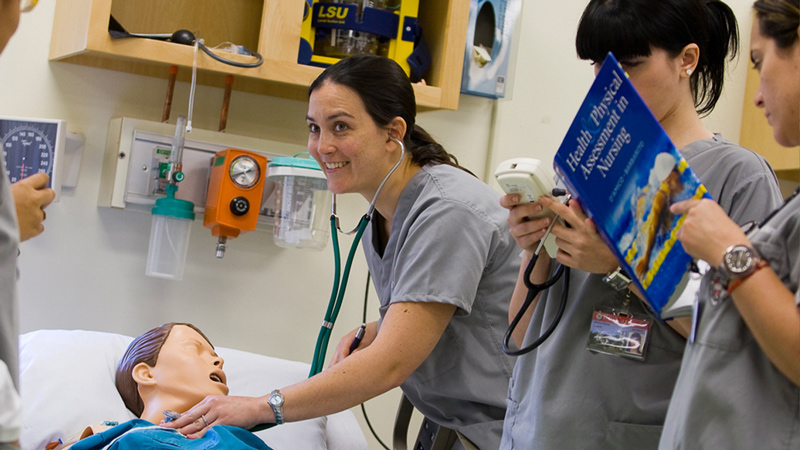
* Clinical and laboratory settings: Service Animals and PSDs have ADA access rights. However, some settings (e.g., sterile operating rooms, certain research labs) may have health or safety requirements that affect access. The University will work with the student and the clinical site on a reasonable solution. See Part 3 for details.
** Housing common areas: An ESA may pass through common areas of its own residential building (lobbies, hallways, elevators) solely to enter and exit. The animal must be on a leash or in a carrier at all times in common areas. An ESA may not linger or socialize in lounges, common rooms, or other shared spaces, and may not enter other residence halls.
Important: An ESA is approved for your assigned housing room only. It may not go to classes, the library, dining halls, or any other campus building. If you need an animal with you in academic spaces, you need a Psychiatric Service Dog, a dog trained to perform psychiatric tasks. Contact OAS to discuss your options.
Part 3: Service Animals and Psychiatric Service Dogs
What is a service animal?
Under the ADA, a service animal is a dog (or in limited cases, a miniature horse) that has been individually trained to do specific work or tasks for a person with a disability. The work or task must be directly related to the person’s disability. Service animals are working animals, not pets.
A Psychiatric Service Dog (PSD) is a service dog trained to perform tasks that help a person manage a psychiatric disability, such as interrupting self-harm behaviors, providing grounding during a dissociative episode, or detecting the onset of a psychiatric event. PSDs are service animals under the ADA and have the same campus access rights as any other service dog.
Examples of tasks a service animal may perform:
- Guiding a person who is blind or has low vision
Alerting a person who is deaf or hard of hearing
- Assisting with mobility, balance, or physical tasks
- Alerting to and assisting during a seizure
- Detecting changes in blood sugar for a person with diabetes
- Reminding a person to take medication
- Providing grounding during a dissociative or anxiety episode (PSD)
- Detecting the onset of a psychiatric episode and taking action (PSD)
Where can my service animal go?
A service animal may accompany its handler anywhere on campus where students are permitted, classrooms, labs, the library, dining facilities, the Student Union, the recreation center, outdoor spaces, campus transportation, and University housing. No separate approval or pre-registration is required for campus access.
For University housing, the student should notify the Department of Housing and Residence Life before move-in so that appropriate arrangements can be made.
Clinical and laboratory settings: The ADA requires access even in settings that restrict animals for health or safety reasons. In those cases, the University will work with the student and the clinical or laboratory site to find a reasonable modification rather than a blanket exclusion. Exclusion is a last resort, not a first response.
What can University staff ask?
When it is not obvious that a dog is a service animal, a University employee may ask only these two questions:
- Is this a service animal required because of a disability?
- What work or task has the dog been trained to perform?
That is the complete inquiry permitted by law. University faculty, staff, and administrators may not:
- Ask about the nature or extent of the student’s disability
- Request documentation, certification, proof of training, or identification cards
- Ask the student to demonstrate the animal’s tasks
- Require the animal to wear a special tag or vest
- Refuse access because another person has an allergy or fear of animals
Allergies and fear of animals are not valid grounds for denying access to a service animal (Florida Statute § 413.08(3)). If a conflict arises, the University will work to accommodate all parties, for example, by adjusting seating arrangements.
Handler responsibilities
The handler is responsible for:
- Keeping the animal under control at all times (leash, harness, or voice command)
- Ensuring the animal is housebroken
- Caring for the animal’s food, water, waste cleanup, veterinary care, and vaccinations
- Ensuring the animal does not disrupt others or pose a direct threat to health or safety
If a service animal is out of control and the handler does not take effective action to correct the behavior, or if the animal is not housebroken, the University may ask that the animal be removed. The student will still be given the opportunity to participate in the program, class, or activity without the animal.
Part 4: Emotional Support Animals (ESA) in University Housing
What is an ESA?
An Emotional Support Animal (ESA) is an animal that provides comfort or emotional support as part of a person’s treatment for a mental health or emotional disability. Unlike service animals, ESAs do not need to be trained to perform specific tasks. Their presence itself is the accommodation.
ESAs are recognized under the Fair Housing Act. This means they are permitted in University housing, not in classrooms, dining halls, libraries, or other campus buildings. Therapy animals, which provide comfort to a general audience rather than to a specific handler with a disability, are a different category and are addressed in Part 6.
What animals can be an ESA?
The University does not impose a blanket species ban on ESA requests. HUD guidance (FHEO-2020-01, January 28, 2020) does not restrict assistance animals to specific species under the Fair Housing Act. However, FHEO-2020-01 draws a clear distinction between two categories, and the documentation required differs.
Commonly kept household animals, such as dogs, cats, small birds, rabbits, hamsters, gerbils, other rodents, fish, turtles, and other small, domesticated animals traditionally kept in the home, are evaluated under the standard reasonable accommodation process. Your documentation must establish your disability and your disability-related need for the animal.
Unique animals (any animal outside the categories above) carry a substantially higher bar. Under FHEO-2020-01, the student bears the substantial burden of demonstrating a disability-related therapeutic need for the specific animal, or for that specific type of animal. General documentation of a disability alone is not sufficient. The University may request additional information from the treating provider confirming: the date of the most recent clinical contact; that this particular animal, not just an animal generally, is part of an ongoing treatment plan; and why that specific animal or species is necessary.
Regardless of species, the University may deny or condition approval for an ESA if:
- The animal is illegal to own under Florida or federal law;
- The animal poses a direct threat to the health or safety of others that cannot be reduced through reasonable modifications;
- The animal would cause substantial physical damage to University property or the property of others; or
- Keeping the animal would constitute an undue financial or administrative burden or a fundamental alteration of University housing programs.
How do I get my ESA approved?
Follow these steps:
- Contact the Office of Accessibility Services (OAS) to begin the accommodation process.
- Submit a written request for a housing accommodation.
- Provide documentation from a licensed mental health or medical professional (on official letterhead, with license number). The documentation must confirm that you have a disability and that an ESA is part of your treatment. It does not need to disclose your specific diagnosis.
- OAS will review your request and notify Housing and Residence Life if approved.
- Provide updated documentation when reasonably requested by OAS to evaluate continued eligibility.
Submit your request at least 30 days before your planned move-in date. Requests submitted fewer than 30 days before move-in will still be reviewed but may delay implementation of the accommodation. The University will process all requests regardless of timing.
Where is my ESA allowed in housing?
Your approved ESA may be present in your assigned residence hall room. When moving through common areas of your residential building (lobbies, hallways, elevators), your ESA must be on a leash or in a carrier and may only be in those areas to enter or exit the building, not to linger or socialize. Your ESA may not enter other residence halls or any non-residential campus building.
No pet fees or breed restrictions
The University may not charge a pet deposit, pet fee, or additional rent for an approved ESA. Standard breed or weight restrictions that apply to pets do not apply to approved ESAs under the Fair Housing Act.
ESA owner responsibilities
As the owner of an approved ESA, you are responsible for:
- Keeping the ESA in your room when you are not present. The ESA may not be left unattended overnight.
- Ensuring the ESA does not damage University or others’ property. You are financially responsible for any damages caused by your animal.
- Cleaning up after your ESA at all times when outside your room on University property.
- Keeping your ESA current on all required vaccinations. Dogs must wear a current rabies vaccination tag. All animals must have an annual clean bill of health from a licensed veterinarian.
- Ensuring your ESA is licensed in accordance with Miami-Dade County requirements.
- Taking your ESA with you (or arranging off-campus care) during extended absences including weekends, breaks, and University closures such as hurricane evacuations.
- Ensuring your ESA does not disturb others through excessive noise, odor, aggression, or unsanitary conditions.
An ESA never becomes the responsibility of a roommate, University staff, or Residence Life employees.
Roommates and neighbors
The University will notify your roommate that an approved ESA will be present in the room before move-in. The University will not disclose your disability or the specific purpose of the animal beyond what is necessary.
If a roommate has a documented allergy, fear, or other disability-related concern, the University will work to resolve the conflict, for example, through a room reassignment. Roommates do not have a veto over an approved ESA, but their rights and wellbeing are also protected.
Part 5: Removal of an Assistive Animal
Service Dogs and Psychiatric Service Dogs
Under the ADA (28 C.F.R. § 36.302(c)(2)), a service dog may be asked to leave only if:
- The animal is out of control and the handler does not take effective action to control it; or
- The animal is not housebroken.
These are the only two general grounds for removal of a service dog under the ADA. If a service dog is properly excluded, the University must still give the student the opportunity to participate in the program, class, or activity without the animal. In limited settings with unique health or safety requirements (such as sterile clinical environments), additional considerations may apply, see the clinical settings note in Part 2.
Emotional Support Animals
An approved ESA may be removed from University housing if:
- The animal poses a direct threat to the health or safety of others that cannot be reduced through reasonable modifications;
- The animal is out of control and the handler does not take effective action to correct the behavior;
- The animal is not housebroken;
- The animal is in ill health or is habitually unclean;
- The animal causes substantial property damage; or
- The animal’s continued presence constitutes a fundamental alteration of University housing programs.
If an ESA bites, attacks, or otherwise poses a direct threat, the University may remove the animal immediately pending an individualized assessment. The University will determine whether the animal may safely remain as a reasonable accommodation based on the specific facts, including the severity of the incident, the circumstances, and the likelihood of recurrence. Permanent removal will be based on that assessment, not on a blanket rule.
Removal decisions are made by the Associate Vice President & Dean of Students in consultation with the Director of Housing and Residence Life, and (where there is a safety concern) the Office of Campus Safety.
Grievance Process
A student whose ESA request is denied, or whose ESA is removed from University housing, may appeal the decision in writing to the Associate Vice President & Dean of Students within five (5) business days of receiving the written decision.
While the appeal is pending, the ESA must be removed from University housing unless the Associate Vice President & Dean of Students determines, in writing, that the animal does not pose an immediate health or safety risk and may remain during the review period.
The Associate Vice President & Dean of Students will issue a final written determination within ten (10) business days of receiving the appeal. The decision of the Associate Vice President & Dean of Students is final with respect to the accommodation decision.
This appeal process addresses the accommodation decision itself and does not limit any other rights the student may have under University policy or applicable law, including the University’s ADA/Section 504 grievance procedures for discrimination complaints.
Part 6: Therapy Animals
Therapy animals are animals trained to provide comfort and emotional support in group settings, for example, during finals week stress-relief events or wellness programs. Therapy animals provide benefit to others rather than to a specific individual handler with a disability. This distinguishes them from ESAs and service animals, both of which exist to support one particular person.
Therapy animals do not have ADA public-access rights and are not covered by the Fair Housing Act. They may be brought to campus only by invitation and with advance approval from the sponsoring University office. They may not reside in University housing.
Part 7: Campus Etiquette — A Note for Everyone
Service animals are working animals. When you see a service animal on campus:
- Do not pet, feed, or distract the animal without asking the handler first.
- Do not try to separate the handler from the animal.
- Do not ask the handler about their disability.
- If you have a documented allergy or fear of animals, contact the Office of Accessibility Services. The University will work to accommodate all parties without excluding either person from the program or facility.
Part 8: Questions and Contacts
All questions about assistive animals on campus, including whether an animal qualifies as a service animal, how to apply for an ESA accommodation, or how to report a concern, should be directed to:
Office of Accessibility Services (OAS)
Landon Student Union, Office 101 | 305-899-3488 | accessibilityservices@barry.edu | barry.edu/en/accessibility-services
Primary contact for all assistive animal determinations, ESA accommodation requests, and ADA/FHA compliance questions.
Department of Housing and Residence Life
For ESA move-in logistics, roommate notification, and housing-specific questions.
| 305-899-3875 | reslife@barry.edu | barry.edu/en/housing-and-residence-life
Office of the Dean of Students
Landon Hall, Room 303 | 305-899-3085 | deanofstudents@barry.edu
For ESA removal appeals. The Associate Vice President & Dean of Students is the final decision-maker on appeals.