



















THE IMMIGRANT STORY BEHIND SALSA MUSIC: "FROM RUMBA AND SON TO TIMBA AND LATIN JAZZ"
When: January 26, 2025 / 1:00 PM
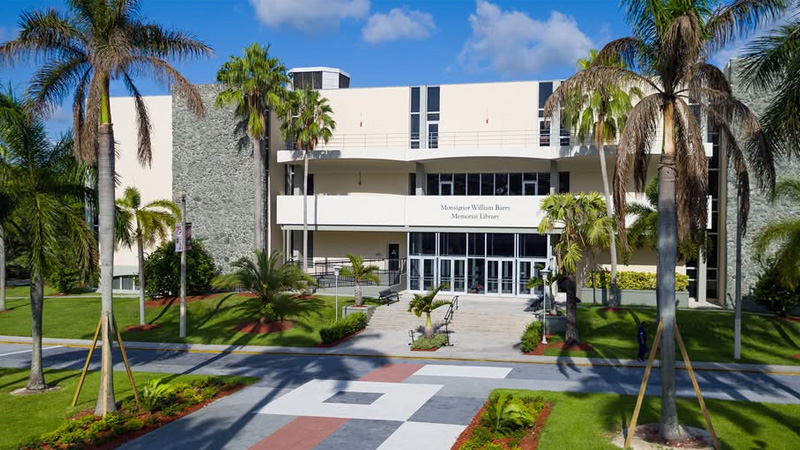
Where: LIB 103, Barry University
Speakers / Panelists: Ernesto Fundora
In his presentation, Fundora traced the historical, sociological, and artistic trajectory of AfroCuban rhythms as they traveled from colonial plantations and urban ports across the Caribbean to international epicenters in New York, Puerto Rico, and Miami. He deconstructed the structural engines of Cuban rhythm, detailing the foundational timelines of the Son and Rumba claves alongside the sacred lineage of Yoruba Batá drums, whose polyrhythmic meters and syncopations continue to power genres from Danzón, Guaracha, and Bolero to Charanga, Changüí, and Latin Jazz. The narrative then followed the global migration of these sounds to urban centers like New York, where promoters alongside the Fania All Stars unified island traditions into the international commercial movement known as Salsa.
Shifting focus to Cuba's post-revolutionary period, Fundora examined the rise of Timba, an explosive genre shaped by conservatory-trained musicians who introduced sophisticated horn orchestrations, percussive piano tumbaos, and street commentary into popular dance music through pioneer groups such as Irakere, Los Van Van, and NG La Banda. The lecture culminated in an examination of the South Florida diaspora, documenting how exiled musicians including Willy Chirino, Albita Rodríguez, Rey Ruiz, and Luis Enrique preserved their cultural identity in Miami and Hialeah while navigating commercial crossover markets—a legacy that extends into contemporary urban Timbatón and Afrobeat fusions.
The presentation was accompanied by continuous screenings of excerpts from Fundora's 17- part ethnographic documentary series, Cuba Suena. Recorded in an unscripted, directcinema style without voiceover narration, the footage captured spontaneous street rumba sessions, sacred drum ceremonies, and candid conversations with musicians and dancers, offering audience members an unfiltered lens into everyday Cuban cultural resistance.
The event concluded with an engaging Q&A session, where students, faculty, and community members discussed the realities of collaborating with immigrant artists in South Florida and the power of music as a living archive of exile. The lecture highlighted Barry University's ongoing commitment to fostering meaningful dialogue around displacement, memory, and cultural preservation.
The Lecture Series on Exile is organized by the Department of English and Foreign Languages and the Studio for Languages and Cultures at Barry University. For more information, please contact the Department of English and Foreign Languages.