






















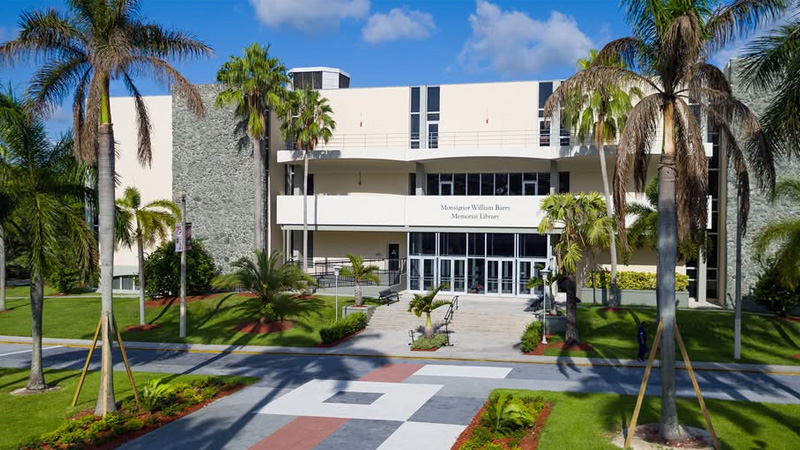





Expand your scope of practice by earning an additional advanced practice specialty certification. This program is designed for Registered Nurses (RNs) and Advanced Practice Registered Nurses (APRNs) who hold a Master of Science in Nursing (MSN) or higher. These flexible certificate programs allow you to build on your existing education while pursuing a new specialization. Once you've selected your specialty and met the admission requirements, your program director and faculty advisor will create a personalized plan of study tailored to your educational and professional goals.
Advanced Practice Nursing, Post-Master’s Certificate
Fast Facts

Specializations3 career-focused tracks

Format Online

DurationSix-Semesters

Scholarship25% tuition discount for RN/APRN license holders
Certificate Specializations
-
The Adult-Gerontology Acute Care Nurse Practitioner (AGACNP) provides advanced nursing care to adult patients, from 16 years of age and older. The AGACNP manages acute, chronic and critical conditions.
-
The Family Practice Nurse Practitioner (FNP) provides advanced nursing care services throughout the lifespan. FNPs provide health promotion, disease prevention, and manage complex diseases in the primary care setting and often care for individuals and families throughout their lifespan.
-
Certificate program designed for students who have already earned a Doctor of Nursing Practice (DNP) degree and wish to pursue the field of Nurse Anesthesiology. Certified Registered Nurse Anesthetists (CRNAs) administer anesthesia and provide critical care before, during, and after surgical and medical procedures.
Admissions
- A Master’s degree in Nursing (MSN) from a regionally accredited or internationally recognized school.
- A minimum cumulative grade point average (GPA) of 3.0 on a 4.0 scale in graduate study.
- Current license to practice as a registered nurse or Advanced Practice Registered Nurse (APRN).
- Have a valid and current national certification in an advanced nursing practice specialty (which attests to the minimum clinical hours for the specialty). If applicant is not nationally certified, certification must be achieved within one year of starting the program.
- CV/Resume.
- One essay with a clear statement of goals and expectations for entering the DNP program and how the student anticipates this degree will benefit the profession of nursing and his/her community.
- One letter of recommendation from a healthcare professional.
Have Questions? Our Graduate Admission Team is Here to Help!
Financial Aid
Barry University offers competitive, affordable tuition with the personalized experience of a private institution. Scholarships, assistantships, and financial aid options are available to help offset costs, with dedicated staff to guide you through the process. Graduate nursing students may also be eligible for program-specific tuition discounts.
Have Questions? Schedule an appointment with a Financial Aid Counselor.
Accreditation
The School of Nursing maintains accreditation for its undergraduate (BSN), master's (MSN), post-graduate certificates (ARNP), and doctoral (DNP) nursing programs through the Commission on Collegiate Nursing Education (CCNE).